
Free reader powered by your browser. Available voices may vary by device.
The Man Who Courted His Wife Again at 72
Chapter 1: The Heavy Wooden Trunk
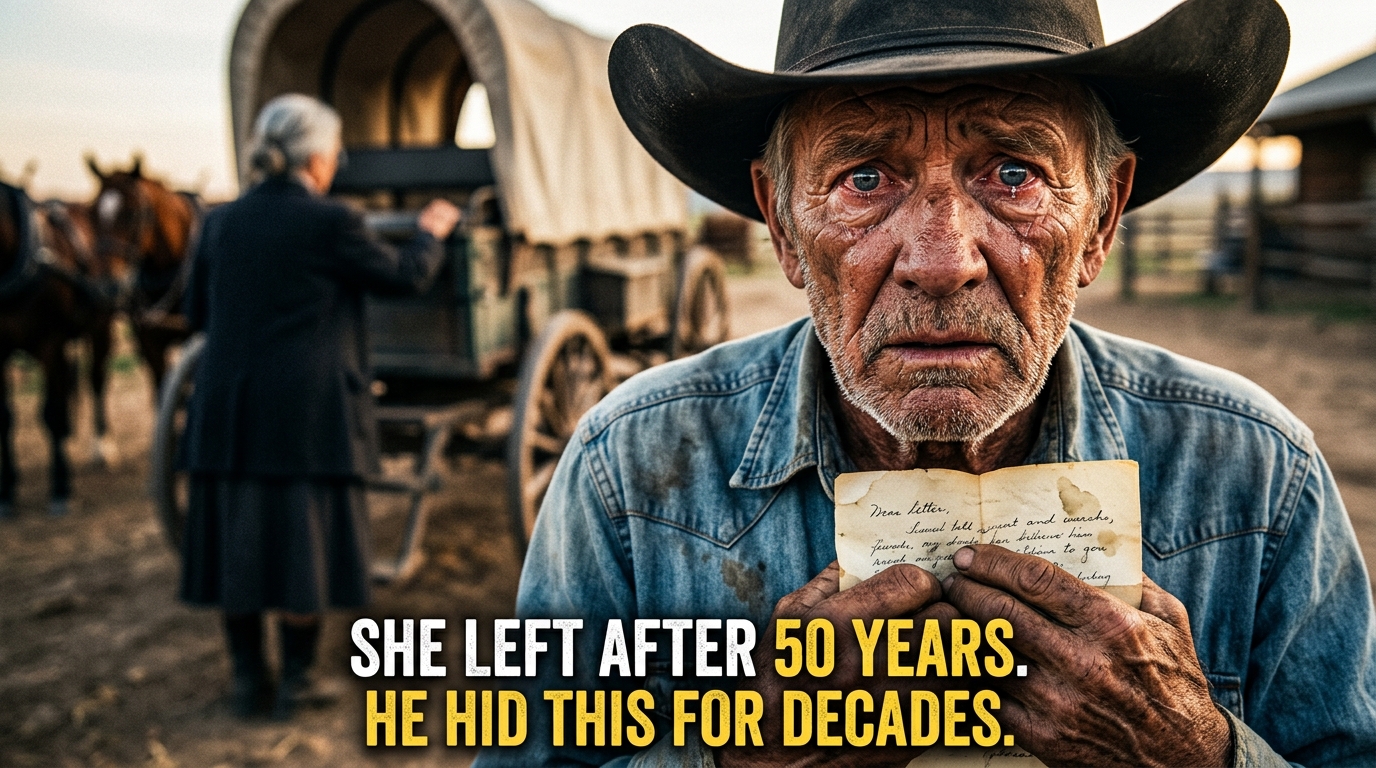
My name is Henry. I am seventy-two years old.
The heavy wooden trunk slammed shut with a loud bang. It sounded exactly like a gunshot inside our quiet log cabin.
Before I tell you what happens next, please pause right now. Hit that like button. Leave a comment telling me what city or town you are listening from. And share this story with someone you love.
Ruth stood in front of the locked trunk. She did not look at me. Her hands were wrinkled, just like mine. Will those hands ever touch my face again?
If she walks out that heavy oak door, my life is over. Fifty years of marriage will die today. The silence in the room was heavy. I had to make a choice.
“I am moving out, Henry,” Ruth said. Her voice was not angry. It was totally flat. That scared me more than a loaded revolver pointed at my chest.
I stood frozen by the cold stone fireplace. I wanted to stop her. I wanted to block the door. But a dark truth kept my old leather boots glued to the floorboards.
“Moving out?” I whispered. The words felt like dry sand in my throat. I looked at the old Winchester rifle on the wall. I could protect her from outlaws, but I could not protect her from my own failures.
“Yes,” she said. She picked up her heavy winter coat. “I rented a room at the boarding house across town. The wagon is coming for my trunk soon.”
Why was she doing this? We survived the hardest years on this wild frontier. We fought off cattle thieves. We survived fevers. But now, she was leaving.
“Did I do something wrong, Ruth?” I asked. My heart hammered against my ribs. If she said yes, I could fix it.
“You did not do anything bad, Henry,” she said softly. She finally turned to look at me. Her blue eyes were filled with tears. “But you did not do anything good, either.”
What did she mean? I worked hard every single day. I woke up before the sun. I chopped the wood. I fed the horses. I paid for this cabin.
“I do not understand,” I said. My hands shook. I hid them behind my back. I did not want her to see my weakness.
“You stopped trying, Henry,” she said. A single tear rolled down her dusty cheek. “You stopped talking to me thirty years ago. You provide food. You provide a roof. But you do not know me anymore.”
Her words cut me deeper than a hunting knife. Was she right? I tried to think of her favorite color. I could not remember. I felt sick to my stomach.
“I love you, Ruth,” I said. It was the first time I said those words out loud since our wedding day. Would it be enough to stop her?
“I know you love me,” Ruth said. She tied her bonnet under her chin. “But love is not just a feeling inside your head. Love is something you show. You stopped showing it.”
A loud knock hit the cabin door. Boom. Boom. Boom. The sound made me jump. Someone was outside. It was the wagon driver.
“That is my ride,” Ruth said. She walked past me. She smelled like soap and old roses. If I let her open that door, I will be totally alone.
I grabbed her arm. My grip was gentle but firm. I had a secret in my heart. A secret I never told anyone in this dusty town.
“Please,” I begged. “Give me one more week. Just one week.” If she says no, I will have to open my hidden lockbox and show her my secret.
She looked at my hand on her arm. She gently pulled away. “Fifty years is a long time to wait, Henry. I am too tired to wait anymore.”
She opened the door. The hot desert wind blew into the cabin. It carried the smell of dry dirt and horses. The wagon driver tipped his hat.
“Ready, Mrs. Ruth?” the driver asked. He was a young man with a shiny silver badge. Why was a town deputy driving her wagon?
“Yes, Deputy,” she said. She walked out into the bright sunlight. She did not look back.
I watched the young deputy load her heavy wooden trunk into the back of the wagon. I wanted to run out there. I wanted to fight him. But my legs would not move.
Fifty years ago, things were very different. I was twenty-two. She was twenty. We met during the Great Blizzard. The snow was ten feet high.
The town was freezing. People were dying. I found Ruth lost in the snow outside the general store. I carried her to my small fire. That choice saved her life.
We got married three weeks later. The preacher stood in the middle of the muddy street. We had no money. We had no gold rings. But we had a fire in our hearts.
Back then, the frontier was deadly. I promised to keep her safe. I spent every hour building walls. I built fences. I bought guns to scare away danger.
But I made a terrible mistake. I thought being strong meant being quiet. I thought showing emotions made a man weak. What did my silence do to her?
I stopped buying her wild prairie flowers. I stopped asking about her dreams. I worked. I slept. I worked again. I built a fortress, but I turned it into a prison.
The sound of the wagon wheels on the dirt road pulled me back to the present. The wagon was moving away. Dust rose into the air.
I stood in the empty cabin. It was so quiet. The ticking of the grandfather clock sounded like a giant hammer. Tick. Tock. Tick. Tock. Each second was a reminder of what I lost.
I walked over to the wooden table. Her empty coffee cup was still there. I touched the rim. It was still warm. If I do not act now, the warmth will disappear forever.
I cannot let it end like this. I refuse. I am Henry. I tamed wild horses. I survived the great floods. I can win back my own wife.
But how? I do not know how to be romantic. I do not know how to court a woman. I am an old cowboy with bad knees and a tired back.
Then, I remembered the secret box. I walked to the back bedroom. I got down on the floor. I reached far under the heavy iron bed.
My fingers touched cold metal. I pulled out a small, rusty lockbox. I kept the key hidden inside my right boot. What will happen when I finally open this box?
I took off my boot. I found the tiny brass key. My hands were shaking wildly now. I put the key in the lock. It made a sharp click.
I opened the lid. Inside, there were hundreds of pieces of paper. They were letters. I wrote a letter to Ruth every single month for fifty years. But I never gave them to her.
I picked up the very first letter. The paper was yellow and old. The ink was faded. I wrote it the day we moved into this cabin.
I read the words out loud to the empty room.
“My dearest Ruth. I promise to make you smile every day.” I dropped the paper. I broke that promise.
I felt a hot tear fall from my eye. It landed on my rough hand. I wiped it away quickly. Crying will not bring her back. Action will bring her back.
I made a sudden decision. I am going to court my wife again. I will start over. I will treat her like a new lady in town.
I walked to the mirror on the wall. I looked at my tired face. I took off my dirty work shirt. I put on my best Sunday suit. It smelled like mothballs.
I grabbed my good black hat. I walked out of the cabin. The sun was going down. The sky was painting the town in dark red and purple.
I walked down the dusty road. My boots made a heavy sound on the wooden boardwalk. Step by step. I was marching toward the boarding house.
I passed the town saloon. Men were drinking and laughing. Piano music spilled out into the street. I ignored them all. I had one goal.
I reached the tall white boarding house. There was a light on in the upstairs window. That must be her room. Can she see me standing in the dark?
I walked up the wooden stairs. They squeaked under my weight. I found room number four. I took a deep breath. I raised my fist to knock.
Before my knuckles could touch the wood, the door swung open.
I smiled, ready to speak to my wife. But the smile froze on my face.
It was not Ruth standing in the doorway. It was a tall man dressed in an expensive black suit. He had a silver pocket watch in his hand. He looked at me with a dangerous, cold smile.
“She is not taking visitors, old man,” the stranger said in a low voice. He reached into his coat, right where a gun would be.
Chapter 2: The Yellow Mustard Flowers
My heart stopped when the tall stranger reached inside his black coat. I tightened my fists. Was I about to die right here on the wooden walkway?
Before I continue, if you are glad I did not give up on my wife, type the word “FIGHT” in the comments right now. Make sure you hit subscribe so you do not miss the ending of my story.
The stranger pulled his hand out of his coat. He did not hold a silver pistol. He held a small, folded piece of white paper. What was written on that paper?
“I am Mr. Vance,” the man said. His voice was as cold as winter ice. “I own this boarding house. Mrs. Ruth paid for a quiet room. This paper is her lease. It says no loud visitors.”
I looked at the piece of paper. If I pushed past him, I would break the rules. I would act like the same stubborn old man who drove her away. Should I force my way in?
Fifty years ago, I would punch him in the jaw. I would kick the door down. I would carry my wife home over my shoulder. But that is not love. That is ownership.
I took a slow step back. The old wooden stairs groaned under my boots. “I understand, Mr. Vance,” I said. My voice was calm, but my chest hurt. Will she ever want to see me again?
Mr. Vance looked surprised. He slowly lowered the piece of paper. “She is very tired, old man. She asked me to keep the town away. She needs to rest.”
“Tell her Henry came by,” I said softly. I touched the edge of my black hat. “Tell her I wish her a good night.” If I leave now, I am choosing patience over anger.
I turned around and walked down the dark stairs. The night air was freezing. The desert wind blew dust into my eyes. But the water on my face was not from the dust. It was tears.
I walked all the way back to my empty log cabin. The fire was dead. The room was freezing. The silence was louder than a rushing river. How can I survive this quiet?
I lit a small oil lamp. The yellow light danced on the wooden walls. I looked at the rusty lockbox on the table. It held fifty years of my secret words.
I opened the box again. The smell of old paper filled the room. I picked up a letter I wrote ten years ago. It was the year her favorite horse died. Why didn’t I give it to her then?
I read my own handwriting.
“My sweet Ruth. I am so sorry your horse is gone. I will walk with you every day so you are never alone.” I never gave her the letter. I never walked with her. I just bought her a new horse and went back to work.
I made a decision right there in the dark. Buying things is easy. Giving your time is hard. I will not buy my wife back. I will win her back with my time.
The sun came up the next morning. The sky was bright orange. I did not put on my dirty work clothes. I put on a clean white shirt. I shaved my rough face. What will the town think of me?
I walked out to the wild prairie behind my cabin. The grass was wet with morning dew. I searched the ground for an hour. Finally, I found them. Wild yellow mustard flowers.
Ruth loved yellow flowers when we were young. I picked a small bunch. The stems stained my fingers green. If I give her these, will she throw them away?
I walked into town. The dirt road was busy with horses and wagons. People stared at me. Old Henry the quiet farmer was carrying bright yellow flowers. Let them stare.
I walked to the tall white boarding house. Mr. Vance was sweeping the front porch. He saw me and stopped sweeping. He grabbed the handle of his broom tightly. Will he stop me again?
“Good morning, Mr. Vance,” I said cheerfully. I did not step onto his porch. I stayed on the dirt road. “I am not here to visit. I am here to deliver.”
I gently placed the yellow flowers on the bottom step of the porch. Then, I pulled a fresh piece of paper from my pocket. It was a note I wrote this morning.
“Would you please give this to my wife when she wakes up?” I asked. I backed away from the steps. I did not want to crowd him.
Mr. Vance looked at the flowers. He looked at me. His cold face softened just a little bit. “I will give them to her, Henry,” he said. What will she do when she reads my note?
I nodded and walked away. I did not hide behind a building to watch. I went to the general store. I bought a small bag of peppermint candy. It was her favorite sweet treat.
My note was very simple. It only had two sentences.
“Good morning, my beautiful Ruth. I hope you slept well.” It did not ask her to come home. It did not beg. It just showed I was thinking of her.
Later that afternoon, I saw her. My heart started beating like a wild drum. She walked out of the boarding house. She wore her brown walking dress. Where was she going?
She walked toward the town market. She carried a heavy woven basket. I wanted to run and carry it for her. I wanted to fix her problem. But I stopped myself.
If I take her basket, I am treating her like a child. I need to treat her like a lady I am courting. I stayed ten steps behind her. I just followed her.
She stopped at the fruit stand. She bought bright red apples. She turned around and saw me standing near the wooden barrels. She froze. Will she tell me to go away?
I did not walk toward her. I took off my hat. I bowed my head just a little bit. I smiled. I did not say a single word. I just let her know I was there.
Ruth looked at me for a long time. Her face was completely blank. Then, very slowly, she nodded her head. She turned back to the fruit stand. Was that a victory? It felt like a massive victory.
I followed her all the way back to the boarding house. I stayed ten steps behind. I watched out for fast wagons. I watched out for stray dogs. I protected her journey.
When she reached the boarding house, she stopped at the door. She looked back at me one more time. The wind blew her gray hair. She opened the door and went inside.
The next day, I did it again. I woke up early. I found a wild blue ribbon in my secret box. I left it on the bottom step of the porch with another short note. What did this note say?
“You wore a blue ribbon the day we met in the snow,” the note said. “It is still my favorite color.” I left the note and walked away before Mr. Vance even came outside.
I spent the whole week courting my wife. I fixed a broken wheel on the town doctor’s wagon just to earn an extra silver coin. Why did I need silver?
I used the silver to buy a tiny bottle of rose water from the traveling merchant. It smelled just like the soap she used on our wedding day. I left it on her step on Thursday.
Friday evening came. The sky turned dark gray. A heavy rain started to fall. The town streets turned into thick, sticky mud. Will the rain wash away all my hard work?
I sat in my lonely cabin. The roof leaked a little water. Drip. Drip. Drip. I stared at the front door. I missed her voice. I missed her footsteps. I missed everything.
Suddenly, I heard a sound outside. It was not the rain. It was a horse splashing in the mud. Someone was riding up to my cabin. Who would visit me in a storm?
I stood up. I walked to the heavy oak door. I lifted the iron latch and pulled the door open. The cold rain blew into my face. I squinted my eyes.
A young boy sat on a wet brown horse. He was the messenger boy from the town telegraph office. He held his coat tight against his chest. Why is he here?
“Mr. Henry!” the boy shouted over the loud rain. “I have a message for you!”
He reached inside his wet coat. He pulled out a small, folded piece of paper. It was dry. He handed it down to me. I gave him a copper coin for his trouble.
The boy rode away into the dark storm. I closed the door. My hands were shaking again. The paper was folded perfectly. It smelled like rose water.
It was from Ruth. She finally wrote back to me. If I open this, it will change my life forever. Good or bad, there is no going back.
I walked over to the oil lamp. I held the paper close to the light. I slowly unfolded the corners. There was only one sentence written in her beautiful, curly handwriting.
I read the words out loud.
“Meet me at the town diner tomorrow at noon.” She wanted to see me. She wanted to sit with me. My chest filled with hot, bright hope.
But there was a second line hidden at the bottom of the page. I did not see it at first. I moved the paper closer to the yellow flame.
When I read the second line, my hope vanished. My stomach twisted into a tight, painful knot. The words hit me harder than a runaway train.
“Bring the lawyer,” the note said. Why does she want the town lawyer? Lawyers only do one thing for married people. They break the contract. They end the marriage.
I dropped the note on the floor. I looked at my rusty lockbox on the table. All my letters. All my flowers. All my effort. Was I too late? Did I lose her forever?
I have to go to the diner tomorrow. I have to face her. I have to face the lawyer. I have one last chance to open my box and show her the truth. But what if she refuses to look?
I looked at the old grandfather clock. It was midnight. I had twelve hours left until I lose my wife for good.
Chapter 3: The Town Diner
I sat in the hard wooden chair at the town diner. The clock on the wall ticked very loudly. Tick. Tock. Every second felt like a heavy hammer hitting my chest.
It was exactly noon. The town lawyer, Mr. Stone, sat right across from me. He wore a dark gray suit. He opened his thick black leather bag. What kind of paper was he going to pull out?
I held my rusty metal lockbox tightly on my lap. My old hands were sweating. Will this box of letters save my fifty-year marriage, or is it just a box of useless paper now?
The bell above the diner door rang loudly. Ding. I jumped in my seat. I looked up. It was my wife, Ruth.
She walked into the diner. She wore her best blue dress. It was the exact same color as the blue ribbon I left on her porch. Did she wear that color just for me?
Before I tell you what happens at this table, please pause for a second. Hit that like button. Tell me in the comments if you think Henry can win his wife back. Your support helps me share these stories with the world.
Ruth walked over to our table. She sat down next to Mr. Stone. She did not look at my face. She folded her wrinkled hands on the wooden table. Her silence was a heavy warning.
Mr. Stone cleared his throat. He reached into his dark bag. He pulled out a thick, yellow paper. He pushed it across the table toward me. What were the words written on that page?
The lawyer handed me a sharp black ink pen. “Sign right here at the bottom, Henry,” Mr. Stone said. His voice was flat. He did not care about my broken heart.
“What am I signing, Mr. Stone?” I asked. My voice shook like a leaf in the wind. If I sign this paper, do I lose my family forever?
Ruth finally looked at me. Her blue eyes were filled with deep sadness. “It is a legal separation paper, Henry,” she said softly. “It divides our cabin. It divides our money. It makes us strangers by law.”
I stared at the black pen in my hand. The ink looked like poison. I can sign it and give up. Or I can fight for the only woman I ever loved. What should a real man do?
I dropped the pen. It rolled off the table and hit the floor. I will not sign it. I refuse to surrender. I took a deep breath.
I lifted my rusty lockbox from my lap. I placed it right on top of the legal papers. The heavy metal made a loud thud. The diner got very quiet.
“What is that old box, Henry?” the lawyer asked. He looked annoyed. He reached out to push my box away. Will he try to stop me from speaking?
I slapped my hand down on the lid of the box. “Do not touch this,” I told the lawyer. My voice was suddenly very strong. Then, I looked right into Ruth’s eyes.
“This is my defense,” I said to my wife. “You told me I stopped trying thirty years ago. You said I stopped knowing you. You said I only provided food and a roof.”
I took the tiny brass key out of my pocket. I pushed it into the rusty lock. I turned it. Click. The sound was magic. I slowly opened the heavy lid.
The smell of old paper and dried ink floated into the air. “I wrote you a letter every single month for fifty years, Ruth,” I confessed. My big secret was finally out.
Ruth gasped softly. She leaned forward. She stared at the hundreds of folded papers inside the box. Will she read one, or will she walk out the door?
“I never stopped knowing you,” I said. A hot tear rolled down my rough cheek. I did not wipe it away. “I just forgot how to show it to you.”
I reached my shaking hand into the box. I pulled out a letter from twenty years ago. The paper was dry and yellow. I unfolded it carefully. I started to read my own words out loud.
“August 18th,” I read to the quiet diner. “Ruth made a sweet peach pie today. She hummed a lovely song while she baked in the kitchen. Her voice is the most beautiful sound in the whole world. I wish I had the courage to tell her.”
I looked up at Ruth. Her mouth was open. She was barely breathing. I reached into the box and pulled out a different letter. This one was from ten years ago.
“December 3rd,” I read. “The winter wind is blowing hard. Ruth looked out the window at the snow. She looked very cold and sad. I worked an extra ten hours today to buy her a better, warmer coat. I hope the coat hugs her, because I am too scared to try.”
I picked up one more letter. It was from just last year. My hands were shaking so much the paper rattled. Does she understand my heart yet?
“May 12th,” I read. “Ruth brushed her hair this morning. It is completely gray now. It shines like pure silver in the sun. She is more beautiful today than the day I found her in the blizzard. I love her so much it makes my chest hurt.”
I folded the letter. I put it gently back into the metal box. I looked at my wife. Tears were spilling out of her beautiful blue eyes.
“I built heavy fences, Ruth,” I said. My voice was a whisper now. “I built a strong log cabin. I thought that was enough. I thought hard work was love. I was a foolish old man.”
I pushed the metal box across the table. It sat right in front of her. “I let our fire die because I stopped putting wood on it,” I told her. “I stopped holding your hand. I let my silence build a giant wall between us.”
I pointed at the yellow separation paper hiding under the box. “Do not sign those papers, Ruth. Please. Let me court you. Let me earn your heart back. Just give me one day at a time.”
The diner was perfectly silent. No one moved. Even the cook stopped cooking. Everyone was waiting for Ruth. What decision will she make?
Ruth slowly reached out her hand. Her wrinkled fingers touched the top letter in the box. She picked it up. She looked at my messy, faded handwriting.
Another tear dropped from her chin. It landed right on the old paper. She looked up at me. “You really wrote all of these for me?” she asked. Her voice cracked.
“Every single one,” I answered honestly. “There are six hundred letters in that metal box. Six hundred times I thought about how much I love you. Six hundred times I failed to say it out loud.”
Ruth looked at the lawyer in his gray suit. She looked at the yellow legal paper on the table. Then, she did something that completely stopped my heart.
She reached under the box. She grabbed the separation paper. She held it in both hands. She ripped the thick paper right in half. The sound was loud and sharp. Riiip.
She put the pieces together. She ripped them again. She threw the torn pieces of paper onto the dirty floor. The contract was completely destroyed.
The heavy, crushing weight in my chest instantly vanished. I could breathe fresh air again. Did I really just save my marriage?
“Mr. Stone,” Ruth said. Her voice was suddenly very strong and clear. “You can go back to your dark office now. I do not need a lawyer today. I need my husband.”
Mr. Stone looked shocked. He closed his empty black bag. He stood up fast. He walked right out the front door of the diner. He left us totally alone at the table.
I stood up from my wooden chair. I walked slowly around the table. I stopped right next to her. I held out my rough, scarred hand. Will she take it?
Ruth looked at my hand. She smiled. It was the bright, beautiful smile I fell in love with fifty years ago. She reached up. Her soft, warm hand grabbed mine.
It was the very first time we held hands in thirty long years. A spark of pure electricity shot up my arm. It went straight into my heart.
“Come on, Henry,” she said softly. She squeezed my fingers tight. “Walk me home.”
We walked out of the diner together. The afternoon sun was shining bright. The sticky mud from the storm was finally drying up.
I carried the heavy lockbox under my left arm. I held my beautiful wife’s hand with my right. We walked down the middle of the dirt road. The town people watched us, but I did not care at all.
I learned my lesson the hard way. A strong log house needs a good, solid roof. But it also needs a warm, bright fire burning inside.
I will never stop trying again. I will pick fresh wild flowers for her tomorrow morning. I will write her a brand new letter the next day. I will give her the letters this time. I will never let our fire go out again.
Let’s Chat in the Comments! 👇
-
Do you agree with Ruth’s powerful lesson: Love doesn’t fail because feelings die. It fails because effort stops. Have you ever experienced a time when “effort” saved a relationship?
-
What would you have done if you were in Henry’s shoes? Would you have kept fighting, or would you have signed the separation papers?
-
Have you ever hidden your true feelings like Henry did with his 600 letters? What finally made you share them?
Let me know your thoughts down below! I read every single comment.
Leave a Reply